
Lesson 1.8 The Mind and Body Connection
Mind-Body Connection is the belief that the causes, development and outcomes of a physical illness are determined from the interaction of psychological, social factors and biological factors.
Your mind and body are powerful allies. How you think can affect how you feel. And how you feel can affect your thinking. An example of this mind-body connection is how your body responds to stress. Constant worry and stress over jobs, finances, or other problems can cause tense muscles, pain, headaches, and stomach problems. It may also lead to high blood pressure or other serious problems.
On the other hand, constant pain or a health problem like heart disease can affect your emotions. You might become depressed, anxious, and stressed, which could affect how well you treat, manage, or cope with your illness.
But your mind can have a positive effect on your health, too. Having a positive outlook on life might help you better handle pain or stress and stay healthier than someone who is less hopeful.
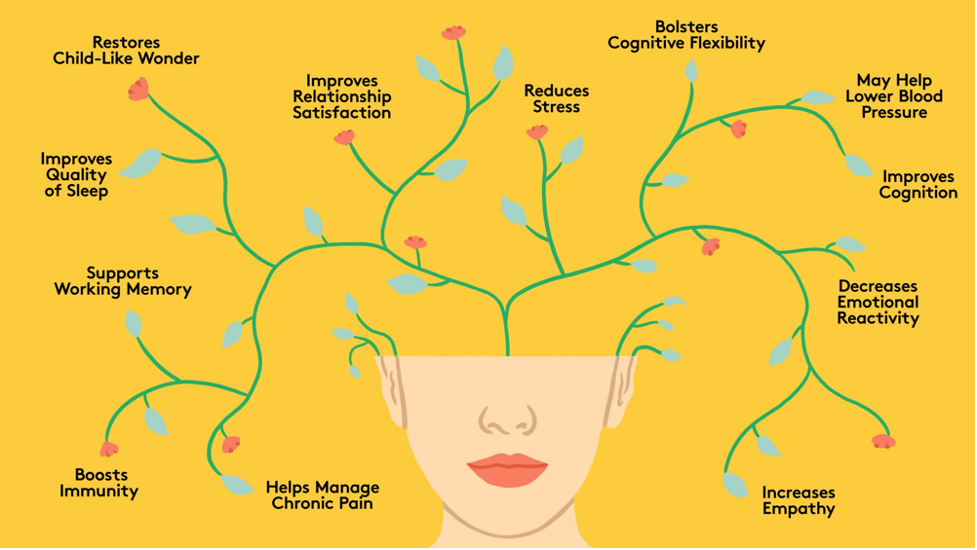
Understanding the Impact of Trauma:
No Universal Definition of Trauma
There is no universal definition of “trauma.” Experts tend to create their own definition of trauma based on their clinical experiences. However, the most commonly referenced definition is from the Substance Abuse and Mental Health Services Administration (SAMHSA):
“Individual trauma results from an event, series of events, or set of circumstances that is experienced by an individual as physically or emotionally harmful or life threatening and that has lasting adverse effects on the individual’s functioning and mental, physical, social, emotional, or spiritual well-being.”
–Trauma and violence
Experiencing trauma, especially during childhood, significantly increases the risk of serious health problems — including chronic lung, heart, and liver disease as well as depression, sexually transmitted diseases, tobacco, alcohol, and illicit drug abuse throughout life. Childhood trauma is also linked to increases in social service costs. Implementing trauma-informed approaches to care may help health care providers engage their patients more effectively, thereby offering the potential to improve outcomes and reduce avoidable costs for both health care and social services. Trauma Informed approaches to care shift the focus from “What’s wrong with you?” to “What happened to you?”
The impact of stress in our daily lives
Stress affects your entire body, physically as well as mentally. Some common physical signs of stress include:
- Headaches
- Low energy
- Upset stomach, including diarrhea, constipation and nausea
- Aches, pains and tense muscles
- Insomnia
Strategies for Reducing Stress
- Exercise daily. Exercise can take many forms, such as taking the stairs whenever possible, walking up escalators, and running and biking rather than driving. Joining a class may help you commit to a schedule if that works best for you. Daily exercise naturally produces stress-relieving hormones in your body and improves your overall health.
- Eat well. Eating mainly unprocessed foods like whole grains, vegetables, and fresh fruit is key to a healthy body. Eating this way can help lower your risk for chronic diseases, and help stabilize your energy levels and mood. Sugar, junk food and fried food might feel good in the short term, but it’s best to avoid them or consume them in moderation.
- Get enough sleep. Adults generally need between seven and nine hours of sleep. A brief nap—up to 30 minutes—can help you feel alert again during the day. Even 15 minutes of daytime sleep is helpful. To make your nighttime sleep count more, practice good “sleep hygiene,” like avoiding using computers, TV, and smartphones before bed.
- Avoid reaching for alcohol and drugs. They don’t actually reduce stress and often worsen it.
- Practice relaxation exercises. Deep breathing, meditation, and progressive muscle relaxation are easy, quick ways to reduce stress. These tools can help you feel less controlled by turbulent feelings and give you the space you need to think clearly about what to do next.
- Make connections. Spend time with and speak to loved ones. It can be easy to feel alone and isolated during stressful times. Make a plan with a friend or family member, or connect via phone or a video conferencing platform.
- Recharge yourself. Any amount of time you take for yourself is important. Start small: think about the activities you enjoy and try to make time for them in your life. If you enjoy days out with friends, try to schedule a standing monthly lunch with them. When it becomes part of your routine, no one has to work extra to make it happen each month. The point is not what you do or how often you do it, but that you do take the time to care for yourself.
- Avoid guilt. Try not to feel bad about experiencing negative emotions. When you allow yourself to notice your feelings without judging them as good or bad, you dial down the stress and feel more in control. When you feel less stressed, you’re better able to thoughtfully choose how to act.
- Notice the positive. When you take the time to notice positive moments in your day, your experience of that day becomes better. Try writing down one thing each day or week that was good or for which you are grateful. Even if the positive thing is tiny (‘It was a sunny day’) it’s real, it counts, and it can start to change your experience of life.
- Gather strength from others. Friends and family members can provide much needed support and motivation.
You must be logged in to post a comment.