Lesson 5.5 Understanding Conflict Resolution

Conflict is a normal part of any healthy relationship. After all, two people can’t be expected to agree on everything, all the time. The key is not to fear or try to avoid conflict but to learn how to resolve it in a healthy way.
An understanding of intercultural relations is essential in all areas of and at all levels of human interaction. While we might assume that increased interaction between people of different cultures, backgrounds and experiences will automatically bring about more cross-cultural understanding and harmony, it often leads to greater awareness of our own culture and may exacerbate conflict between individuals and nations. Here is where conflict resolution skills come into play.
Conflict resolution is the art of addressing those differences and finding common ground that enables everyone to work together peacefully. But for more serious conflicts, and conflicts between groups rather than individuals, you may need some additional skills.
Things to remember when resolving conflicts:
- When talking to group members about their conflict:
- Create a safe space. (Let staff know if you need to move to a new area.)
- Let each person tell you his or her side of the story without being interrupted by the other person.
- Afterwards, if they can talk to each other respectfully, allow them to respond to each other.
Throughout the conversation:
Help them think of a solution or agreement instead of giving advice or solving the problem yourself. If possible, put the agreement in writing.
- Keep your own feelings and stereotypes out of the situation.
- Stay neutral. Don’t take sides.
- Use AACES active listening (A=Attitude, A=Acknowledge, C=Clarify, E=Emphasize, S=Summarize). Recognize any positive statements.
The Role of the Peer Mental Health Navigator in Conflicts
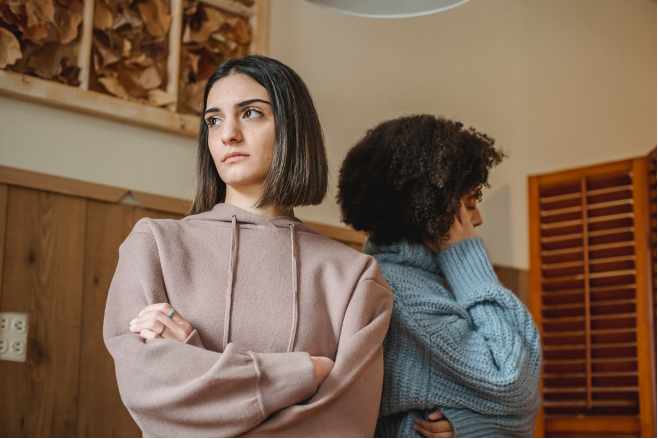
Awareness of ourselves and how we are responding to conflict is the key to effective conflict resolution, effective communication and (re-)connection with others.
Developing Conflict Resolution Skills
When conflict is mismanaged, it can cause great harm to a relationship, but when handled in a respectful, positive way, conflict provides an opportunity to strengthen the bond between two people. Whether you’re experiencing conflict at home, work, or school, learning these skills can help you resolve differences in a healthy way and build stronger, more rewarding relationships.
There are seven steps to successfully negotiating the resolution of a conflict:
- Understand the conflict
- Communicate with those who are in opposition
- Brainstorm possible resolutions
- Choose the best resolution
- Use a third-party mediator
- Explore alternatives
- Cope with stressful situations and pressure tactics
Conflict Resolution Process

Peaceful resolution of conflicts

Conflict resolution is a way for two or more parties to find a peaceful solution to a disagreement among them. The disagreement may be personal, financial, political, or emotional.
When a dispute arises, often the best course of action is negotiation to resolve the disagreement.
The goals of negotiation are:
- To produce a solution that all parties can agree to
- To work as quickly as possible to find this solution
- To improve, not hurt, the relationship between the groups in conflict
 video: “Strategies for Resolving Conflict” [2:58]
You must be logged in to post a comment.